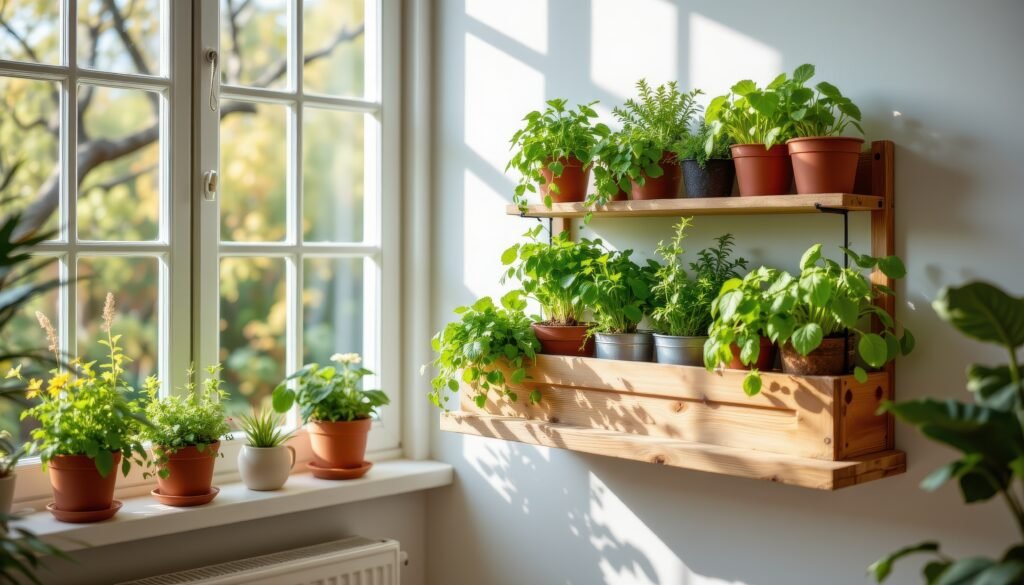
If you live in an apartment or don’t have access to a traditional garden, then growing your own food is not an option…That’s a lie I believed for far too long.
I’m lucky to have grown up with several small vegetable patches, wedged around our cottage, where we would grow seasonal produce year-round. Then I moved to the big smoke. Buying things that I know are easy to grow just doesn’t feel right, so lately I’ve been playing around with what I can harvest in my gardenless flat. Turns out, a lot!
You don’t need a backyard to be a gardener
As food demand increases and viable land becomes limited, the agriculture industry is starting to pay more attention to container gardening and vertical growing as practical ways to produce quality food. There’s no reason you can’t explore this on a smaller scale in your own home. Micro gardens, vertical gardens, planters and portable growing systems have made it easier than ever to grow fresh produce in tiny spaces. Whether you have a rooftop terrace, balcony, windowsill or even just a bare wall, there are ways to create a thriving mini garden that fits around your lifestyle.
The best part? You don’t need much gardening experience, spare time or expensive equipment. Many small-space gardening methods are designed specifically for beginners and busy people. If you can water a plant and check on it occasionally, you’re already there.
Why urban gardening is worth it
Let’s be honest, this is not going to replace your entire weekly grocery shop – but that’s not really the point. It brings so many other benefits.
Supporting wellbeing
First of all, growing plants is proven to have a positive impact on your mental wellbeing. Research has found that gardening is associated with improvements in psychological wellbeing, reduced stress and stronger feelings of social connection, especially among urban gardeners and those with limited access to nature in day-to-day life. Gardening can also provide a welcome break from screens, emails, school runs and daily responsibilities. Even short periods spent caring for plants have been linked to positive mental health outcomes and improved quality of life.
Financial value
There are financial benefits too. A micro-garden is overall much cheaper than a full-sized outdoor one. A few pots, some compost and a packet of seeds can cost less than most of us spend on coffee in a week. Container gardening is specifically recommended as an accessible option for people with limited space and resources.
Growing your own food can also help reduce grocery costs over time. Fresh herbs, sprouts or microgreens can be surprisingly expensive in supermarkets, yet many grow easily in containers.
Educational and social benefits
For adults and children alike, gardening can be a fantastic educational tool. We get to see firsthand where food comes from, learn about plant life cycles, understand environmental systems and develop a connection to nature that can be difficult to find in urban environments. In general, green-thumb projects have also created positive social outcomes for urban children’s wellbeing and environmental engagement. We talk more about these wider benefits in our article on the benefits of city green spaces.
Improved diet
Then there are the health benefits. Fresh produce contributes important nutrients and variety to your meals. Even if your garden only produces herbs, salad leaves or berries, adding home-grown ingredients to everyday meals can increase dietary diversity and encourage healthier eating habits. Gut-health studies have shown humans should aim for 30 to 40 plant types per week in their diet, so tossing those few extra pickings into your dish makes a big difference. Growing food also tends to make people more aware of seasonal produce and the difference between organic and conventional methods.
Perhaps most importantly, a small garden gives you a manageable project that feels rewarding rather than overwhelming. It’s a simple way to reconnect with nature without taking on a huge commitment.
There’s many types of small-space gardens
The beauty of modern urban gardening is that there is no single “right” way to do it. The best option depends entirely on your available space, sunlight and schedule.
Micro-gardens
A micro-garden is probably the easiest place to start. Micro gardening refers to growing food and plants intensively in very small spaces using containers (which can save some from the recycling bin), planters or compact raised beds. These gardens are beginner-friendly and require very little equipment beyond containers, potting mix and sunlight.
Windowsills
Windowsill gardens are ideal for complete beginners. They involve placing small pots or planters on – you guessed it – sunny indoor windowsills. Lettuce, chillis and microgreens are particularly well suited to this setup. Maintenance is low because the plants are easily accessible and protected from many outdoor pests. The main challenge in the UK is ensuring enough sunlight. Most edible plants need several hours of light each day.
Hanging planters
Hanging planters work well when floor space is limited. These can be suspended from balcony railings, hooks or brackets. They are especially useful for herbs, strawberries and trailing plants such as tumbling tomatoes. Because hanging baskets dry out faster than larger containers, they may need slightly more frequent watering.
Vertical gardens
Vertical gardens make use of walls rather than floor space. This can involve mounted planters, pocket systems, trellises, fencing or stacked growing towers. Vertical gardening is particularly useful for apartments and compact balconies because it allows you to grow more plants within the same footprint. A wall or fence can easily fit the same number of plants as a vegetable patch.
Vertical gardening may be a good fit for you if you want larger plants. You don’t need a backyard to have a tree. Fruit trees such as apples or pears can be trained to grow fairly flat against fences or walls, using the espalier method. Alternatively, the pleaching method trains trees such as lime or walnut to have a bare trunk and a flat canopy above head or fence height, allowing you plenty of room underneath, suiting small patios. If you lack wall-space, then columnar trees grow well in tall, narrow spots and take up little horizontal room. These grow easily in pots and certain types of apple, olive or citrus do well.
Shelf gardens
Shelf gardens are another clever solution. These can create varied growing levels in a very small area. Depending on placement, this also gives you the option to keep plants that prefer different levels of sunlight or water all on the same structure. Herbs, salad greens and seedlings often perform well in this setup. Maintenance is relatively low once watering routines are established.
Balcony and rooftop gardens
Balcony and rooftop gardens remain the most popular planting locations, if you have them. A few containers, window boxes or raised planters can transform even a tiny balcony into a productive growing space. Containers can be moved around to maximise sunlight, making this approach flexible and beginner-friendly. If you have access to a rooftop, even better. It is worth considering how much exposure to the elements your balcony or rooftop gets, before deciding the types of produce you plant. Consider weighting any larger plants so they don’t fall in the wind.
Shared-space gardens
Small raised beds can be a viable option for people who have access to a shared courtyard, lawn or outdoor community space. These allow greater control over soil quality, limit wildlife disturbance and drainage issues, and can yield a large harvest despite their compact size. They also make it easier to dedicate individual lots, such as one planter box per apartment. It’s worth reaching out to your landlord or council beforehand to see if this is something they might allow – or even implement for you!
What could you grow?
My favourite part! Below are just some ideas to get your started. It is also worth getting creative and looking at your home and eating habits for inspiration, to see what else you could try. While researching plant requirements beforehand is always useful, each home is different, so trial and error is part of the fun.
Windowsills and smaller spots
For windowsill gardens, herbs are often the easiest and most reliable choice. Basil, parsley, chives, thyme, oregano, sage and marjoram are all commonly recommended for container growing. Many of these herbs can be harvested repeatedly over long periods, making them excellent value. Other types like rosemary and mint grow will grow almost too well! They often take over any soil they’re planted in, so these each now have their own little pots in our house.
Microgreens are another fantastic option. These are young edible seedlings harvested shortly after germination. Radish, broccoli, rocket, sprouts and mustard microgreens grow quickly and some can be harvested within a couple of weeks.
Lettuce is another of the easiest vegetables for beginners. There are many leaf lettuce varieties. They grow quickly, tolerate containers well and can often be harvested multiple times.
Spring onions are an excellent beginner crop. They require little space and are the definition of low maintenance-high yield. I bought a bunch from the supermarket and once finished put the white roots from them in a jar of water on our bench – they grow back faster than I can cut them!
Speaking of fast growing, many varieties of mushrooms can be cultivated indoors using ready-made mushroom kits. Oyster mushrooms are particularly popular for beginners because they tolerate indoor conditions well.
On our windowsill we are also growing various chilli pepper varieties. A lil’ tip, these produce a lot more fruit when you mist them once a day. Some varieties can also grow quite tall, so that’s worth a google beforehand if your window is on the smaller side.
Walls and larger spots
For hanging planters, strawberries are a standout choice. Their compact growth habit makes them ideal for suspended baskets and vertical towers. They also look attractive while producing edible fruit which hangs under the leaves.
Vertical gardens also work particularly well for herbs, lettuce, edible flowers, spinach, rocket, compact peppers and smaller tomato varieties. Honestly, most shallow rooted plants will do well. Trellises or string on your wall can also support most vine and climbing plants, though these will also require a pot on the ground to root in.
Balcony gardens can provide enough room for larger pots, opening up even more possibilities. Cherry tomatoes, potatoes, peppers, carrots, beetroot, peas, beans, cucumbers and summer squash can all be grown successfully in fairly compact container beds.
For shelf gardens, focus on lightweight crops up top and heavier or deeper boxes down low. Put plants that don’t enjoy direct sunlight at the back of the shelf or directly below hanging plants. Most of the same plants from the windowsill or vertical wall list above work well here, plus things like onions and garlic grow well lower down. As shelves are usually deeper than windowsills, your herbs might grow even bushier here. The shelf structure means you can also keep them outside and they will be somewhat sheltered. A friend even has a shelved, glass-doored cabinet on her balcony, which acts like a mini greenhouse for seedlings – if you go that route, just remember to mist them to maintain humidity!
Planting tips
Whatever you choose to grow, these guidelines could dramatically improve your chances of success.
- Always use containers with drainage holes to prevent root problems.
- Use quality potting mix rather than soil dug from the ground. Container-grown plants usually perform better in lightweight compost designed for pots.
- Don’t overcrowd your containers. Plants need airflow and room for roots to develop.
- Choose larger containers whenever possible. Larger pots hold moisture better and generally require less frequent watering than tiny containers.
- Finally, start small. One herb pot is better than ten neglected containers.
A tiny garden can make a big difference
If you’ve always assumed gardening wasn’t possible because you don’t have a backyard, hopefully you’ve realised by now that the opposite is true.
A pot of rosemary on a windowsill. A hanging basket of strawberries. A shelf of lettuce or mushrooms. These projects may seem simple, but they can provide fresh food, a therapeutic connection to nature, the opportunity to learn and a sense of achievement.
If you’ve been waiting for the perfect time to start gardening, consider this your sign. You might be surprised how much life can grow in the smallest of spaces. Happy planting!