It’s easy to assume a pot plant is an environmentally friendly purchase, but some are a greener choice than others. Here’s how to tell the difference.
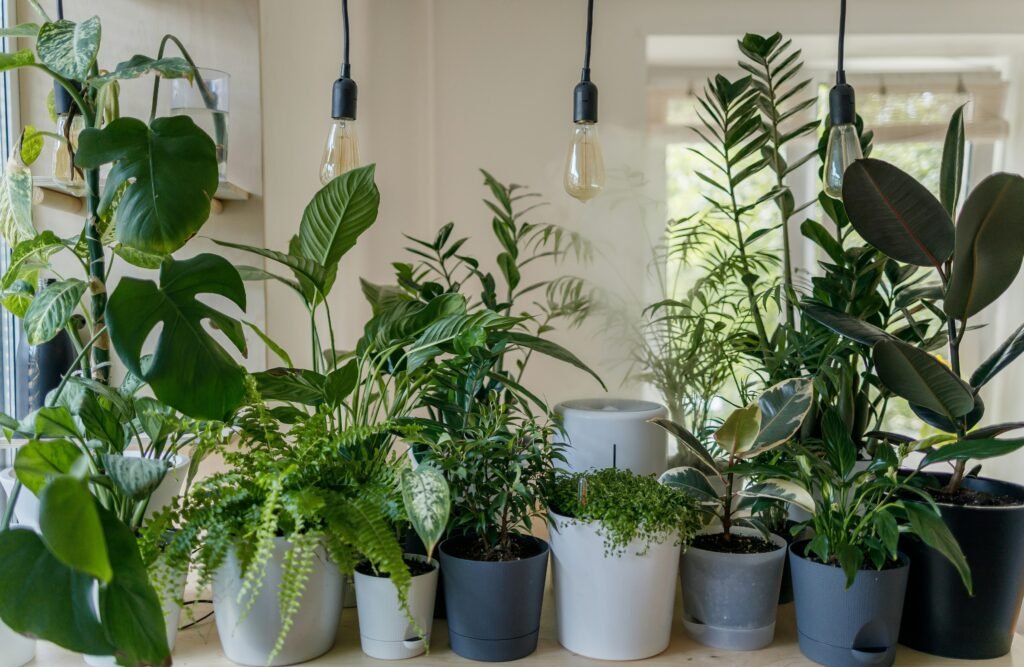
My flatmate is cutting back her houseplant collection. I’m sad to see them go, but we were dwelling in an indoor forest, so it’s nice to be able to see out the windows again. Plus, we’ve met many Facebook Marketplace users thrilled to take home a cheap or free flora friend.
So many people love houseplants. They brighten up our homes and help us feel more connected to nature. However, like everything that sells, humans have found a way to industrialize even the most natural items. I was surprised to learn several of them come with quite a large environmental footprint.
That doesn’t mean we should stop buying houseplants altogether, but we can make better-informed decisions. A little extra thought before you buy can reduce waste, support more sustainable growers and ensure the plant you choose thrives in your home for years rather than weeks.
What makes a houseplant sustainable?
Sustainability isn’t just about the plant itself. It’s about every stage of its life, from how it is grown and transported to how long it survives in your home. There are several components that you could keep in mind when shopping.
Start with the compost
One of the biggest sustainability considerations is the soil or compost your plant is grown in. For decades, peat has been widely used in horticulture because it holds moisture well and creates good growing conditions for many plants. However, extraction destroys peatland habitats, which are among the world’s most important natural carbon stores. Healthy peatlands capture and store enormous amounts of carbon dioxide, and damaging them contributes to greenhouse gas emissions while harming wildlife.
Fortunately, many growers now offer peat-free compost made from renewable materials such as coir, bark, composted wood fibre and green waste. In the UK, alternative soils have become more widely available as the government protects more land and the horticultural industry moves away from peat use. Check with your local retailer or nursery whether the plant has been grown and/or sold in peat-free compost. Many proudly advertise this because consumer demand has grown significantly.
Consider the pot
Most nursery plants are sold in black plastic pots because they’re lightweight, cheap and durable. Unfortunately, black plastic is often difficult for recycling facilities to identify using optical sorting equipment, meaning many end up in landfill. Up to half a billion plastic plant pots end up in landfill each year in the UK, this study shows.
This doesn’t mean plastic should always be avoided. The most sustainable pot is usually the one you already own. Reusing them multiple times is often more sustainable than continually buying decorative replacements as it prevents unnecessary waste and reduces demand for new materials.
If you do want something more environmentally or visually attractive, look for pots made from recycled plastic or materials, responsibly sourced ceramic or sustainably harvested natural fibres. That said, the most sustainable pot is usually the one you already own. Reusing containers again and again prevents unnecessary waste and reduces demand for new materials. The RHS has some helpful advice on how to turn your garden or plant collection plastic-free.
Opt for locally grown
Transportation, fuel and storage all add to a plant’s carbon footprint, especially if air freight is involved. Additionally, some may require refrigeration, misting or heating during transportation, using even more energy.
Costa Rica, Thailand or greenhouses in the Netherlands are among countries that commonly grow tropical plants for global shipping. Meanwhile, locally grown plants generally have fewer transport emissions and often spend less time under stressful shipping conditions, making them more likely to establish well after purchase. Ask your local nursery where their plants come from. Independent nurseries are often happy to discuss their suppliers and growing practices, while larger retailers or supermarkets now publish sustainability information online.
Be aware of chemical treatments
Commercial growers often use plant growth regulators, pesticides and fertilisers to produce compact, attractive plants that look perfect on shop shelves. Used responsibly, these products can help prevent disease and reduce crop losses, but excessive chemical use can create environmental concerns during production.
Consumers rarely know exactly which treatments have been used, but there are ways to make more informed choices. Look for growers that openly discuss their integrated pest management (IPM) strategies. IPM focuses on preventing pests through biological controls, careful monitoring and targeted interventions rather than relying solely on chemical pesticides.
Know who grew your plant
Not all retailers source their plants in the same way. Independent garden centres and specialist nurseries often grow their own stock or work with local and trusted growers. These plants have usually spent little time outside ideal growing conditions and have received individual care. Furthermore, staff often understand the plants they sell and can advise you on long-term care.
Supermarkets, on the other hand, generally buy in bulk through supply chains that prioritise appearance over longevity. You may have noticed some supermarket plants – especially tropical or sensitive species – don’t live quite as long as others. This is because they may spend several days or even weeks travelling through distribution centres before reaching the shelves. During that time, the plants can experience inconsistent watering, temperature fluctuations and limited natural light, and may be treated with high levels of chemicals. Growth boosters might restore their appearance in the short term but weaken them overall.
This doesn’t mean supermarket plants are always poor quality. Many still survive well with proper care, especially the hardier varieties. However, they’re often sold without detailed care advice and have undergone stress already, making in-home acclimatisation trickier.
Look for certifications
As sustainability becomes more important, some growers participate in recognised environmental certification schemes. These certifications don’t guarantee perfection, but they demonstrate that growers are independently assessed against recognised environmental standards.
The MPS certification programme, widely used in horticulture, measures environmental performance including energy use, water consumption, crop protection products and waste management. GLOBALG.A.P. also sets internationally recognised standards covering responsible agricultural production, which can include large-scale houseplant growers.
Sustainability doesn’t end at the checkout: pick what suits your home
Buying a sustainably grown plant is only half the story. Often, the most sustainable houseplant is simply one that lasts. So perhaps the biggest question of all is this: will the plant still be in your home five years from now? Here are some ways to help inform the answer…
Instead of impulse-buying a plant, take an honest look at your lifestyle, schedule and habits. Avoid purchasing species that requires regular care, frequent re-potting, or specialised humidity, lighting or temperature unless you’re prepared to provide those conditions. Plants that continually struggle are more likely to die, creating unnecessary waste.
Why do you want that specific plant? Many people fall in love with colourful flora that is sold during its flowering season, but throw them out after the flowers drop – either unaware or impatient that they will flower again in a while. Moth Orchids and Poinsettias are great examples, often considered among the most rapidly discarded plants in the UK. Other plants look gorgeous but are poorly suited to living conditions in this part of the world, such as Calatheas and Peace Lilies, which also commonly end up in UK bins.
Some houseplants are naturally better suited to UK indoor life than others. The ZZ plant (Zamioculcas zamiifolia), snake plant (Dracaena trifasciata), cast iron plant (Aspidistra elatior), spider plant (Chlorophytum comosum) and heartleaf philodendron are all known for their resilience. They tolerate lower light and moisture levels, so can thrive in most British houses and handle occasional missed watering and fluctuating temperatures.
Your home also matters. Observe how much natural light or humidity each room encounters throughout the day. A bright south-facing office window can support very different plants from a shaded north-facing bathroom. Choosing a plant that naturally suits your conditions reduces the need for artificial grow lights, constant troubleshooting and replacement purchases.
Think about future maintenance too. Some plants grow incredibly quickly and soon need larger pots, extra compost and regular feeding. Others remain compact for years with very little intervention. If you’re looking for a low-impact addition to your home, opt for a slower-growing species.
Water use is another consideration. Overwatering is one of the biggest reasons houseplants die. Learning each species’ watering needs helps improve plant health and avoids wasting water.
It’s also worth thinking about propagation. Many houseplants can easily be propagated from cuttings or offsets. Spider plants, pothos and many succulents are some examples. Sharing these “babies” with friends and family reduces demand for store bought stock while making for an environmentally-friendly gift. However, bear in mind that keeping them could also mean more compost and pots may be required long term. This is how we ended up with that indoor forest.
In short, buying a few plants that genuinely suit your lifestyle is almost always more sustainable than frequently replacing ones that struggle. Treat each plant as a long-term investment rather than a temporary decoration. When you choose carefully, you’re reducing waste while building a home filled with thriving greenery.
Growing change
I truly hope this article has not put anyone off houseplants. Truthfully, you don’t need to become an expert horticulturalist overnight, nor do you need to stop buying the plants you love. I’d be lying if I said every plant in my home “ticks all the boxes” above.
What I have now learned though, is that that asking a few questions before making a purchase can be helpful in supporting long term plant health, reducing my environmental footprint and spreading awareness within the industry. Buy thoughtfully and care for it well, and your little corner of indoor nature can be good for both your home and the planet.