In a world where screens dominate our work, social lives and even our downtime, finding entertaining ways to unplug can be difficult. Try and make those options affordable, family and planet-friendly and doable from home (or portable), and the list becomes even shorter.
If you’re like me, you finish the day mentally drained but still doom scrolling. For a while I managed to replace it with building Lego, but to be honest I’m finding this harder to personally justify, both in terms of the price and the piles of plastic and packaging. (No shade to Lego though – they are making an effort to improve their environmental footprint.) Thank goodness, a graphic-designer friend recently illustrated a sustainable craft box. I’ve since found these provide a refreshing alternative: hands-on activities that still relax the mind, spark creativity and are flexible to my schedule, but also tread lightly on the planet.
Sustainable crafts can entertain people of all ages and groups of all sizes. Better still, they align with growing environmental awareness. Instead of disposable hobbies or plastic-heavy kits, eco-conscious crafts focus on natural materials, reusable tools and thoughtful packaging. They encourage us to slow down, use what we have and connect more deeply with the world around us.
The benefits of sustainable crafts
Sustainable crafts aren’t just fun. From environmental impact to personal wellbeing, these activities can support both the planet and the people doing them.
Better for the environment
Traditional craft kits and hobby supplies generate a surprising amount of waste. Plastic packaging, single-use materials and synthetic components often end up in the bin once the project is finished. Sustainable craft options take a different approach. Many eco-conscious brands focus on recyclable packaging, minimal plastics and responsibly-sourced materials such as paper, wood, cotton or plant-based fibres. Natural paints, biodegradable glues and reusable tools are all small changes that make a big difference.
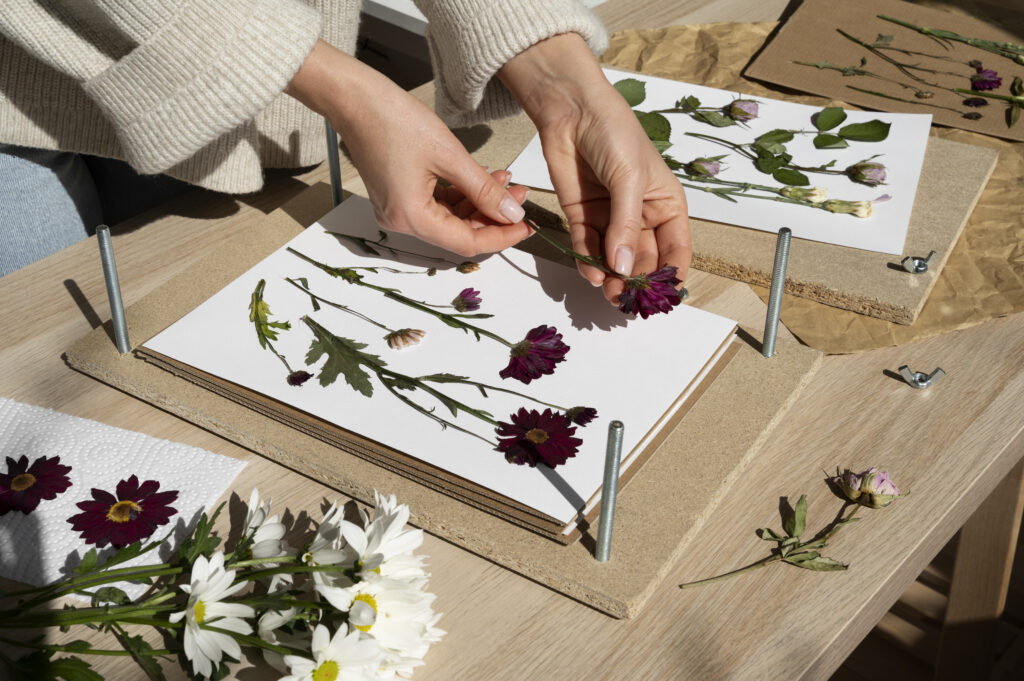
This shift allows crafting to become a way of reconnecting with nature rather than consuming more resources. Activities like botanical printing, natural dyeing, or pressed-flower art all boost our appreciation of natural textures and materials.
For children especially, crafts that involve leaves, flowers, wood or recycled paper can help nurture curiosity about the environment. Rather than being something abstract, sustainability becomes something tangible they can see, touch and create with.
A digital detox that actually works
Crafting in general offers a natural digital detox. When your hands are busy painting, sewing or assembling something, it becomes much easier to put the phone down and stay present. The act of creating demands focus in a gentle way, which helps the brain shift away from the constant stimulation of notifications and news feeds.
Many people find that crafting works almost like a form of mindfulness. The repetitive motions – cutting, painting, stitching, sanding – encourage the mind to slow down. Stress levels drop and the sense of accomplishment when a project is finished provides a real boost to mood. I’ve found doing this for an hour before bed has also helped me sleep better.
Expanding attention spans and learning new skills
Sustainable crafts are a brilliant way to develop patience and concentration. For kids growing up in an on-demand digital world, creative projects that take time can help strengthen attention spans and problem-solving skills. For adults, crafting offers the joy of learning something new without pressure. Trying a new painting technique, building a small wooden object, or experimenting with embroidery can be deeply satisfying. It’s a reminder that learning doesn’t have to stop once we leave school.
A craft box is a great introduction tool – with many to choose from, you can take home a simple and guided way to try a new craft technique. (Yes, I know I sound like an infomercial, and no, I’m not being sponsored!) Unlike many digital activities, crafting produces something physical and meaningful. Whether it’s a handmade card, a small plant pot or a decorative print, the finished object becomes a reminder of time spent creating rather than consuming. I’ve found it is also a great way of creating handmade gifts for loved ones. In fact, the craft boxes themselves are also a fun gift idea!
A social activity for all ages
While crafting makes for a relaxing solo project, it’s also a fun way to bring people together – whether you want some quality family time, a memorable date night or are hosting a craft night for friends. Be aware, some craft boxes come with age or ability suggestions, though many of them explain ways they can be adapted for everyone.
In a busy world where meaningful connection sometimes gets squeezed out of our schedules, shared creative activities can become valuable moments of calm and conversation.
Some sustainable craft box options
For people who love the idea of crafting but don’t have the time to plan projects or source materials, sustainable craft boxes are a fantastic solution. Several brands can even be bought in sets or via subscription and delivered straight to your door. They provide everything you need for a creative session – often with environmentally friendly materials and thoughtful packaging. Here are some great eco-conscious craft box options to explore.
Craft Box Club
Craft Box Club offers beautifully curated craft kits designed for adults who want to unwind and try new creative projects. Each box focuses on a different craft technique, from embroidery and paper art to weaving and painting.
What makes the boxes particularly appealing is their attention to sustainability. Materials are thoughtfully chosen, and packaging is kept minimal and recyclable where possible. The projects are designed to be relaxing, making them ideal for beginners or anyone looking for a creative escape.
Art for Busy People
As the name suggests, Art for Busy People is designed for people with limited free time who still want to get creative. The kits are built around the idea that art should be accessible, enjoyable and achievable for all – even if you only have an hour or two available.
The kits often focus on painting and drawing, and the materials are selected to be easy to use and carry, and environmentally mindful where possible. Visually, many of the sets are inspired by nature (eg, ocean, land or weather, etc) and some feature educational facts about those topics.
Cosy Craft Club
The Cosy Craft Club provides a monthly subscription where you can try out a range of craft techniques. Though one off purchases are also available if that’s not your thing. They also have dedicated boxes for certain age groups and price points.
All kits are ethically sourced from UK makers and the packaging is 100% recyclable and plastic-free. The Club also donates £2 from every subscription to Knit for Peace – a charity that donates knitted goods to those in need as well as teaching knitting skills to those without incomes, such as refugees.
Other eco-friendly craft boxes
Plant-themed craft kits are particularly popular at the moment, combining creativity with gardening. These might include materials for building terrariums, plant hangers, decorating plant pots or growing herbs from seed. Mud & Bloom offer some that are fun for the whole family. Similarly, educational kits for children, like the ones from Little Crafters Boxes focus on nature or science-based projects that teach kids about ecosystems and sustainability.
Other boxes are tailored specifically for adults seeking relaxing hobbies, offering projects such as macramé, candle making with natural waxes or botanical illustration. Check out Tabby and Tweed for weaving kits that use FSC/PEFC certified birch plywood looms, or Hobby Hop, which utilizes surplus supplies and overstocked items from the craft industry to create new projects, reducing waste.
Craft boxes not your thing? Here are some alternatives…
Subscription boxes are convenient, but they aren’t the only way to enjoy sustainable creativity at home. Many simple activities can provide the same benefits while helping you unplug from digital distractions.
Reading
Reading might seem obvious, but it’s one of the most effective ways to disconnect from screens. Whether fiction or non-fiction, books encourage deep focus in a way that social media rarely does. Choosing second-hand books or borrowing from libraries can make this hobby even more environmentally friendly.
Sketching or painting
Drawing or painting is one of the simplest creative activities to experiment with. All you really need is paper and a pencil, though watercolours add another layer (boom boom!). Eco-friendly art supplies are becoming increasingly common, with brands offering paints made from natural pigments and biodegradable packaging.
Woodcraft
Wood carving is a traditional craft that has stood the test of time. Small projects, such as spoons, decorative figures or Christmas tree ornaments, can be incredibly satisfying. When done using responsibly-sourced wood and quality tools, it becomes a low-waste hobby with a strong connection to natural materials.
Puzzles
Jigsaw puzzles are fantastic way to relax while keeping the brain engaged. They encourage patience, focus and problem-solving, making them a great digital detox activity for both adults and children. Many puzzle manufacturers now use recycled cardboard and plastic-free packaging, making them a more sustainable entertainment option.
Planet-friendly toys
For children, toys made from natural materials can provide hours of imaginative play while avoiding the environmental impact of cheap plastic toys. Wooden building blocks, fabric stuffed toys and craft-based activity kits encourage creativity and open-ended play. These toys often last longer and can even be passed down through generations. My mother’s childhood pull-along wooden dog was also used by me and my siblings as children and is now being used by her grandkids.
Put the devices down and get creative
Life moves fast. Between work commitments, family responsibilities and the constant distraction of digital devices, it’s easy to forget how restorative simple creative activities can be. Sustainable crafts offer a powerful reminder that relaxation doesn’t have to involve a screen. With a few natural materials and a little curiosity, anyone can rediscover the joy of making something.
So why not put this device on charge and spend an hour – or even an afternoon – getting creative and recharging yourself? Your mind, your family and the planet might all thank you for it. Have fun!