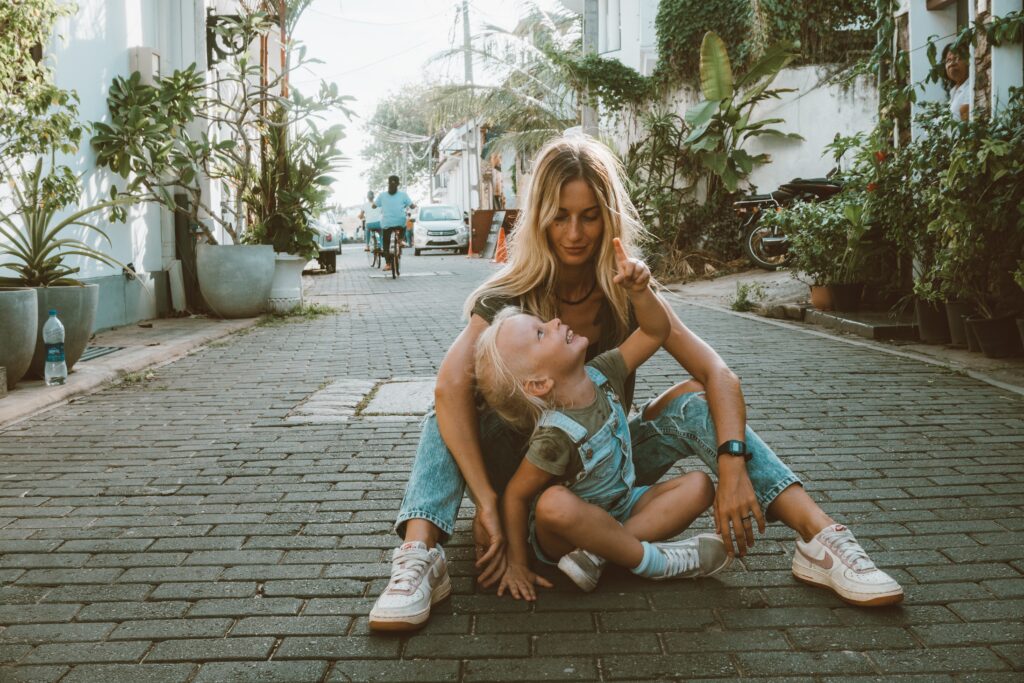
As a parent of a young child, I imagine puberty talks happening when our children are well into secondary school. But increasingly, pre-teens as young as 7 or 8 start asking questions. A mum friend recently shared with me that her 8-year-old had a pimple on their face and asked, “Mum, am I starting puberty?” She was dumbstricken. She didn’t even know where they’d heard the word “puberty” before and instinctively diverted the question.
Moments like this matter. These are small openings, gentle invitations. When a child asks, they’re telling us they are ready for connection. First things first – we can validate the question; we can ask them what they know, to meet them where they are. If they find us in a hurry or flustered by the question, we can always suggest to table it for later.
But should we actually lead this discussion?
Let’s do it in a prepared, calm, and confident manner when our children start asking about puberty. In this post, I draw on Gen-Xers’ experience today and what it is likely to be for my Gen Alpha when they reach adolescence. Useful resources for me are the journalist Catherine Carr’s conversations with teenagers in the UK following the showing of the TV series Adolescence (BBC Radio 4: About the Boys) and Dr Angela Patterson’s work for Springtide on teenage spiritual beliefs (talked about in Episode 66 of Faith for Normal People: Angela Patterson – The Faith of Gen Z).
And I also draw from the respectful-parenting approaches of Janet Lansbury, Dr Aliza Pressman, and Dr Lisa Damour.
What is Puberty Like?
For millennials and earlier generations, puberty has often been a period of disconnect from our parents, confusion, heartbreak and even trauma.
So, what do teens today say about what they need from us? They want a space to question, wrestle, and explore, definitely not a package of fixed answers. Authenticity is key. Gen Z tends to “sniff out inauthenticity from a mile off” – they value what feels real, lived, and relevant to their experience. Young people often draw spiritual or existential meaning outside traditional institutions – through creativity, nature, friendships, social justice, personal values.
Gen Zs tend to want freedom to explore, honesty, authentic relationships, and spaces where their voice and identity matter, even if that deviates from tradition. Our little ones will likely follow this trend and they will need us to meet them there.
Why Pre-Teens Ask Early (and Why That’s Good)
Our children today enter puberty earlier, on average, than previous generations. Even before physical changes begin, the awareness of puberty starts early. They hear about it from older siblings, friends, YouTube, school assemblies – and they want clarity from the person they trust most: us.
Pre-teens also have sharp emotional radars. If we avoid their questions, they quickly learn, “This is embarrassing; I shouldn’t ask Mum or Dad.”
My goal isn’t a single “puberty talk.” My goal is a relationship where my child asks anything without shame.
Signs Our Pre-Teen Is Ready for the Conversation
The child might be ready if they:
- Ask questions about their body
- Comment on changes in others
- Notice spots, odour, or growth spurts
- Become more private or self-conscious
- Show curiosity about how babies grow
How to Explain Puberty to an 8-12-Year-Old (Step-by-Step)
Use spaces of calm and safety, like nature. Nature can help regulate emotions, allowing both parent and child to relax.
1. Starting with the basics, keeping it brief and honest
We can say something like:
“What you already know about puberty?” Then we listen and confirm what is true and what isn’t. “Puberty is a phase when your body starts changing from a child’s body into a grown-up body. It happens slowly, over a few years. A pimple is not necessarily a sign that it’s starting. If you want to understand more, I’m here for you.”
This keeps the door open without overwhelming them.
2. Using the tone, we’d use to explain how weather works
Dr Aliza Pressman encourages neutral tone. No giggling. No panic. No embarrassment. Just clear information. Children regulate their own emotions according to ours.
3. Framing physical changes as normal and purposeful
Helpful points:
- Everyone goes through puberty.
- It happens at different ages and speeds.
- It doesn’t mean they’re “grown up” – just growing.
- Their body is getting ready for the future, not rushing into it.
4. Encouraging questions
We can say: “Ask me anything, anytime. You won’t get in trouble, and I won’t laugh. I won’t try to change the subject.”
This tells them we are a safe place.
5. Both physical and emotional changes
Dr Lisa Damour’s teenage research shows that emotional shifts often begin around age 9–10, well before the big physical changes. We simply explain:
- Mood changes
- Wanting more privacy
- Stronger feelings
- Needing more sleep
- Not wanting cuddles every moment (normal, not rejection!)
6. Preparing boys and girls with the same honesty
Some people prefer the father to chat with his son about puberty and the mother to chat with her daughter. That is absolutely fine – but boys also need to hear from mothers, and girls from fathers. The world is safer when children have more than one trusted adult to turn to.
It’s also important, at some stage that boys hear what girls go through and girls hear about what boys go through.
We can coordinate: one parent leads the conversation; the other reinforces. But avoid silence.
7. Keeping God’s design simple, not moralistic
If we want a faith-grounded framing, we can try something gentle like:
“God designed our bodies to grow in stages. Puberty is just one of those stages—nothing to fear, nothing to hide.”
This avoids shame and focuses on the beauty of growing up.
8. Sharing our experience
Without making it about us, we can share some age-appropriate comments about how it was for us. Showing some vulnerability to our children strengthens our relationship.
When we open up to them we show that it’s okay to ask anything: about bodies, feelings, identity, changes. But let’s not pretend to know everything. We can say “I don’t know exactly, but we can explore together.”
Common Questions Pre-Teens Ask (and How to Answer)
“What age does puberty start?”
Usually between 8–14, and it varies for each child.
“Do pimples mean puberty?”
Not always. Pimples can happen anytime – but they can be an early sign. They could also be a sign of an allergy.
“Will it hurt?”
Some parts may feel uncomfortable (like growing pains or breast buds), but not painful.
“Will people notice?”
Some people may comment on it. But everyone goes through it, and it happens slowly. It’s nothing to be embarrassed about.
“Why do emotions feel stronger?”
Hormones make feelings bigger. It’s totally normal. We also learn so much about the world in the teenage years. A lot of input may feel overwhelming and confusing. But you can always rely on me, and I will be here for you no matter what.
“Do girls and boys go through the same thing?”
Some things are the same (growth, emotions, smell, skin changes), and some are different. But everyone changes at their own pace.
How to Create a Home Where Puberty Isn’t Awkward
- Using correct anatomical terms (helps prevent shame and increases safety).
- Keeping conversations short but frequent.
- Answering questions calmly, even if surprised.
- Avoiding jokes or teasing about body changes.
- Normalising deodorant, period products, moisturiser, etc.
- Validating their feelings (“It makes sense you’d feel shy about that”).
This creates a lifelong healthy relationship with their body.
A Note for Parents Who Feel Embarrassed
Many of us didn’t have open conversations growing up. It’s easy to feel unsure. But the research is clear:
Confident parents lead confident children. Open parents raise open children. Calm parents reduce shame.
We don’t need to be perfect. We just need to be available.
If We Only Remember One Thing
The best moment to explain puberty is when our child asks. That tiny question – like “Is this pimple puberty?” – is a doorway. Let’s step through it gently, and our children will keep coming to us, not TikTok or older kids on the playground.